
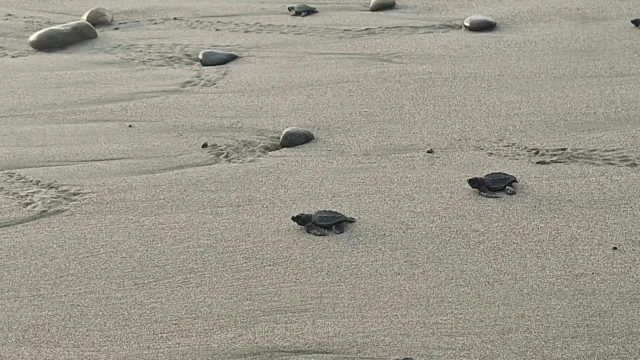
The Playa Ceuta Sanctuary is a protected natural area in Sinaloa dedicated to the conservation of sea turtles and their nesting habitat. A visit requires more than just arriving at the beach: there are rules regarding wildlife, vehicles, noise, waste, and lighting that must be respected within the sanctuary.
The National Commission of Natural Protected Areas identifies Celestino Gazca as the relevant locality for access and recommends August through December as the best months to visit. The presence of turtles or a release is not guaranteed; any activity must be confirmed with the area's administration.
Playa Ceuta Sanctuary: What It Protects and Why It Matters
The management program published in the Official Gazette of the Federation describes the sanctuary as a sea turtle nesting beach. CONANP's official profile mentions the olive ridley, the black turtle, and the leatherback among its representative species, along with shorebirds.
Noise, lights, and traffic on the sand can disrupt nesting or disorient hatchlings. Vehicle passage also compacts the sand and can damage nests. That is why these rules are not mere etiquette suggestions: they are integral to the management of a conservation site.
Basic Rules for a Responsible Visit
CONANP's guidelines request that you do not disturb wildlife, do not bring vehicles onto the beach, do not make noise, do not leave trash, and do not remove any elements from the area. The management program adds that feeding, capturing, removing, extracting, or handling wildlife is prohibited.
- Walk only in designated areas and heed all signage.
- Maintain distance from turtles, nests, and birds.
- Do not touch hatchlings or attempt to guide them toward the sea.
- Do not bring vehicles onto the beach.
- Avoid music, shouting, and other sources of noise.
- Remove all your waste.
- Do not light campfires or set up campsites within the sanctuary.
Photography and Lighting
The management program explains that lighting can disorient hatchlings. It also limits the use of light sources and establishes specific conditions for authorized photography and filming. As a visitor, the prudent option is to avoid using flash, lamps, or phone lights on wildlife and follow the instructions of the staff.
Umbrellas, bonfires, and camping
Within the sanctuary, activities that alter the natural conditions of the beach are not permitted. The program lists camping, bonfires, and the installation of shade structures such as awnings or umbrellas among prohibited activities. If you are looking for a conventional recreational day, do not assume the rules are the same as at an urban beach.
Access, season, and official fee
The CONANP profile indicates land access via kilometer 78 of the Mazatlán-Culiacán Highway, entering through the town of Celestino Gazca. It also states that mobility within the area is only by beach and that the means of transportation to arrive is a private vehicle.
The same profile publishes a fee of $95 MXN per person per day, with exemptions and discounts for certain groups upon presenting valid accreditation. Since rates and conditions may change, please review the official profile of the Ceuta Beach Sanctuary before you depart.
August to December is listed as the recommended period. This does not guarantee sightings, guided activities, or releases on a specific date.
What to bring without turning your visit into a conventional beach day
CONANP recommends comfortable beachwear, sandals, a long-sleeve shirt, and shorts or pants. Also bring water, sun protection, identification for any applicable discounts, and a bag to carry out your waste.
Avoid bringing equipment you cannot use inside the sanctuary, such as speakers, powerful lamps, camping furniture, or fire pit items. If a group member requires special access conditions, consult the area office directly before your trip.
How to connect Playa Ceuta with a stay at Celestino Gasca
Hotel Calma Celesti is located in Celestino Gasca, a municipality of Elota. It is not within the Playa Ceuta Sanctuary nor presented as accommodation situated in that protected area. If you plan to visit both locations, review the official route, access conditions, and sanctuary operations before finalizing your itinerary.
A visit to the sanctuary must remain separate from any hotel activities. Using the pool, restaurant, or fire pit at Calma Celesti does not mean these services are permitted within the protected natural area.
Check dates for staying in Celestino Gasca
Recommended reading
- Beaches near Culiacán for a weekend getaway
- Celestino Gasca or Gazca: how to find the destination
- Location of Hotel Calma Celesti
- Hotel sustainability practices
Frequently asked questions
Is vehicle access allowed to the sanctuary beach?
No. The CONANP documentation states that vehicles must not be brought onto the beach.
Can I touch a baby turtle to help it?
No. The management program prohibits feeding, capturing, removing, extracting, or handling wildlife. Follow the instructions of authorized personnel.
Are there turtle releases every day?
There is no guaranteed release for every visit. Confirm any activity with the sanctuary administration and avoid booking experiences that do not have proper authorization.
How much does admission cost?
The official fee published states $95 MXN per person per day and details exemptions and discounts with proper accreditation. Verify the current amount before visiting.
Is Calma Celesti located within Playa Ceuta?
No. Hotel Calma Celesti is located in Celestino Gasca, Elota. The article suggests a possible stay in the region but does not present the hotel as part of the sanctuary.